UAE Wellness Real Estate Market Soars to $14.6bn as Focus Shifts to Wellbeing

The landscape of the UAE’s property sector is undergoing a profound structural shift. Buyers are no longer satisfied with mere aesthetic luxury; they are demanding environments that actively enhance their lifespan and daily health. A groundbreaking new report by the Global Wellness Institute (GWI) has revealed that the UAE’s wellness real estate market has officially grown to a staggering $14.6 billion. This represents a massive leap from the $3.3 billion recorded just a few years prior in 2017.
Market Snapshot: The Wellness Boom
Current UAE Market Value
$14.6 Billion
Construction Market Share
12%+
Regional Development Pipeline
555,000 Units
Why Wellbeing is the New Ultimate Luxury
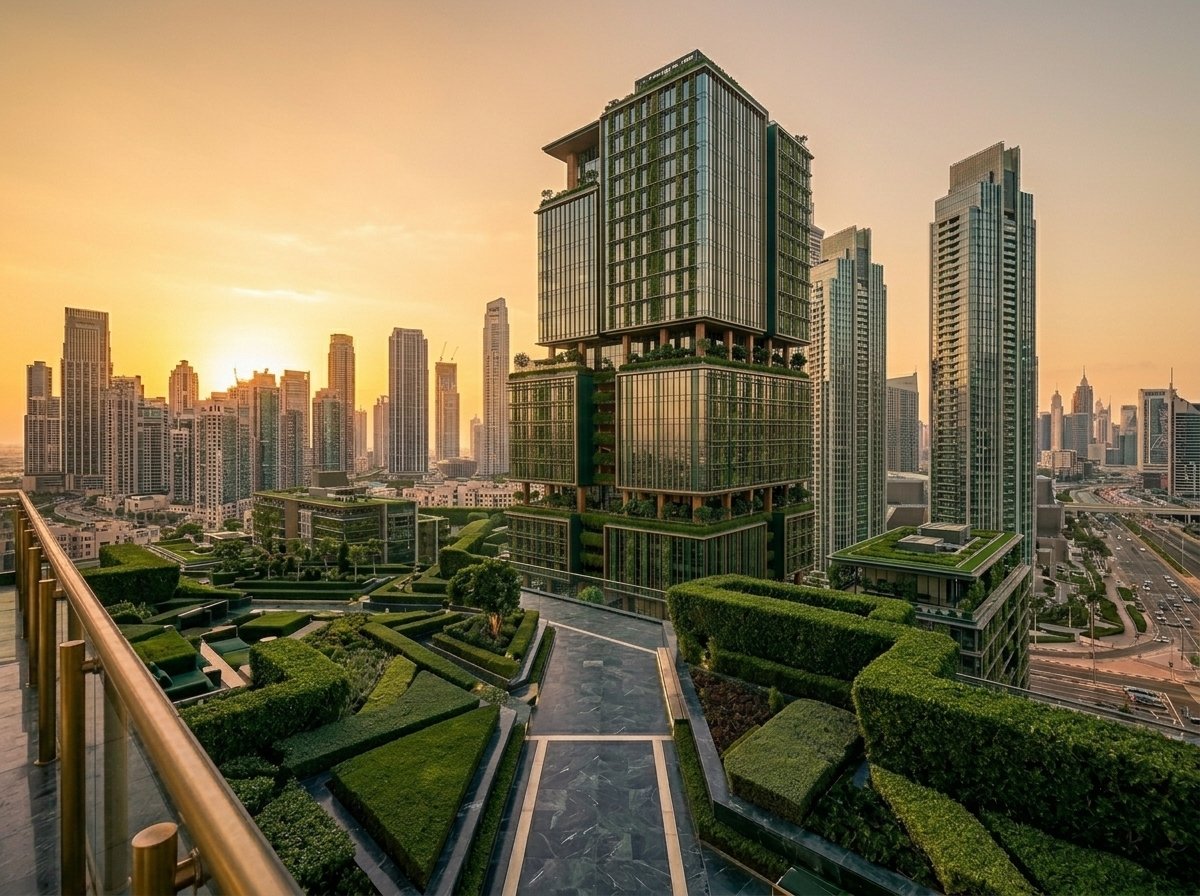
For decades, the real estate industry was focused almost entirely on building environments that looked visually impressive but took little account of the biological and psychological quality of life of the residents. Post-pandemic, the priorities have drastically realigned. Today, the definition of a “luxury home” includes built-in biophilic design, hospital-grade air purification systems, circadian rhythm lighting, and soundproofed meditation zones.
Talal M. Al Gaddah, the prominent CEO and Founder of Keturah, noted that the rapid exponential growth in this sector is the direct result of government vision and national mandates that have made human wellbeing a top development priority in the UAE. He emphasized that the social, physical, and mental dimensions of how people actually live create a far more meaningful standard in today’s highly competitive property market than basic green certifications.
Leading the Charge: The Keturah Revolution
Developers across Dubai are responding aggressively to this shift in consumer demand. A prime example is the developer Keturah, which currently has two major, multi-billion-dirham wellness-led projects under development.
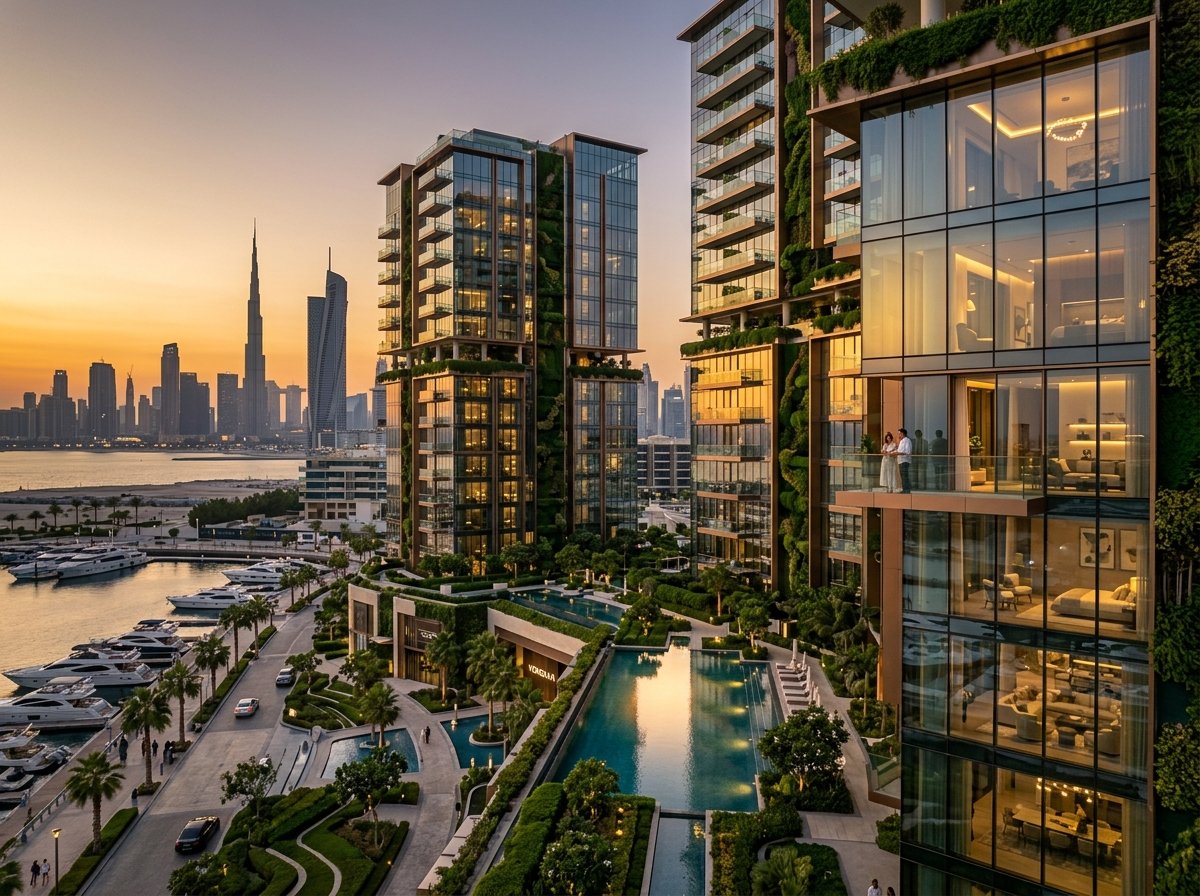
The first is The Ritz-Carlton Residences at Keturah Resort. Located exclusively on Dubai Creek adjacent to the Ras Al Khor Wildlife Sanctuary, this ambitious project integrates nature directly into the living space. It includes 12 waterfront mansions, 193 apartments, a five-star boutique hotel, a standalone holistic wellness centre, and a private marina.
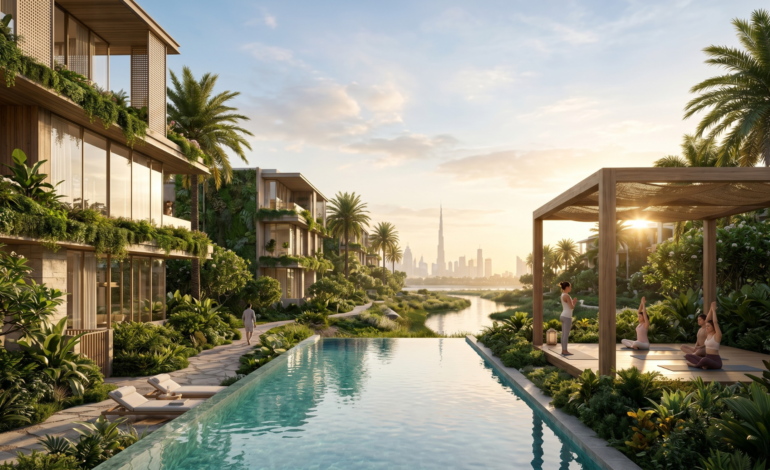
The second flagship is Keturah Reserve, a massive AED 5.7 billion “bio-living” community located in Mohammed Bin Rashid City’s District 7. This development includes 540 homes designed fundamentally around natural light flow, organic materials, and daily wellbeing routines.
“Nature, culture, and heritage are becoming more important in wellness-led real estate. In fact, they are what give a development its soul. A community rooted in its landscape is one that residents feel proud to live in. Without that, you simply have a building.” — Talal M. Al Gaddah, CEO of Keturah
The ROI on Wellness Real Estate for Investors
From an investment and ROI perspective, focusing on wellbeing is proving to be highly lucrative. Based on a comprehensive review of more than 300 independent studies by the Global Wellness Institute, wellness-focused residential properties situated in the middle and upper ends of the market command a highly attractive price premium of 10% to 25% compared to standard luxury properties.
Furthermore, wellness real estate not only sells at stronger price points but also effectively attracts high-net-worth tenants who are looking for long-term residencies. This drastically reduces turnover rates and void periods for landlords. For investors closely monitoring Dubai’s real estate trends on LiveDXB, the strategic message is clear: properties prioritizing human health and wellbeing will consistently outperform and out-yield traditional residential developments in the coming decade.
Frequently Asked Questions (FAQs)
What exactly is wellness real estate?
Wellness real estate refers to residential and commercial properties proactively designed and built to support the holistic health of their occupants. This includes integrating features like advanced air and water purification, biophilic (nature-inspired) design, and non-toxic building materials.
Do wellness properties offer better ROI in Dubai?
Yes. Data shows that wellness-certified and health-centric properties command a sales price premium of 10% to 25%. They also tend to attract long-term tenants, resulting in highly stable rental yields.
Which areas in Dubai are leading the wellness property trend?
Areas like Mohammed Bin Rashid (MBR) City, Al Barari, and the Dubai Creek waterfront are currently leading the charge, hosting major bio-living communities like Keturah Reserve.