Dubai Property Prices Enter Correction Phase as Off-Plan Grows

The Dubai residential property market maintained solid resilience during the first quarter of 2026, successfully navigating through recent regional disruptions. According to the latest Real Estate Market Dynamics report by JLL, while overall transaction activity experienced an initial dip due to geopolitical tensions, the sector quickly stabilized. Most notably, the market is witnessing a distinct divergence between off-plan properties and secondary, ready-to-move homes. While the secondary market saw sales fall by 8.2 percent, the off-plan segment demonstrated remarkable strength by posting a 9.5 percent increase in sales during the same quarter.
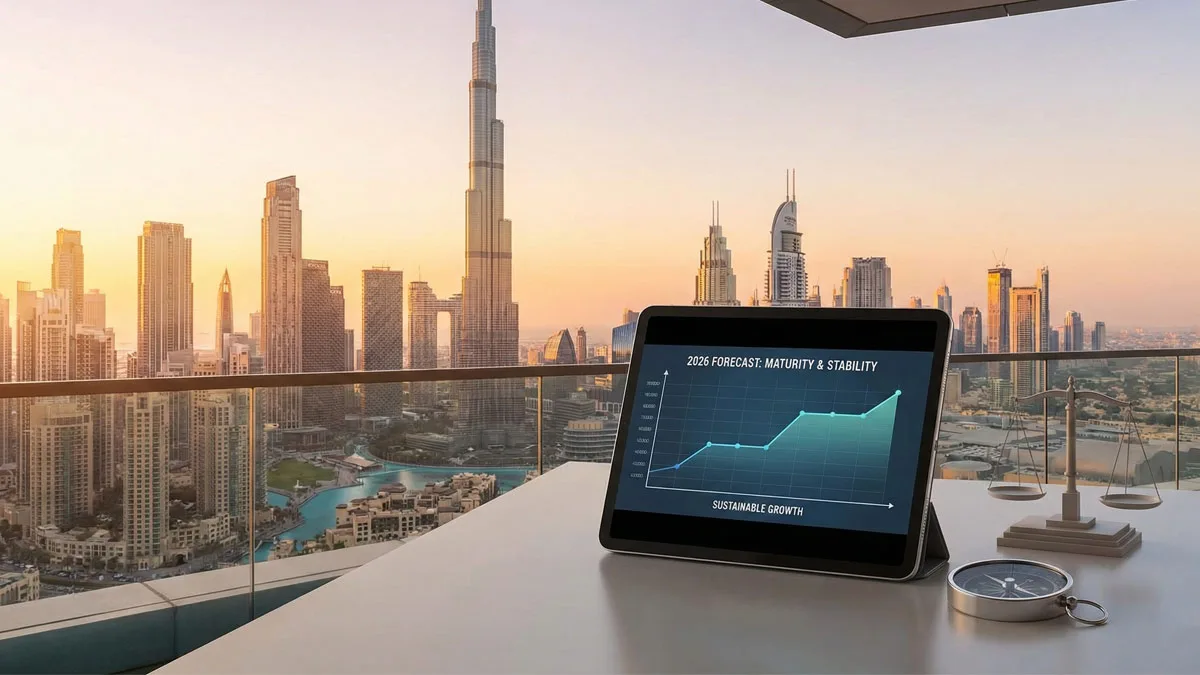
This steady growth in pre-construction investments shows that buyers maintain high confidence in the long-term vision of Dubai. However, the explosive price jumps seen in recent years are starting to calm down. While property values are still rising, the annual growth rate has moderated to between 8 percent and 12 percent. This is a noticeable cool-down from the 16 percent to 19 percent appreciation rates recorded previously. Experts suggest this slower pace is a positive sign of the market entering a natural, healthy correction phase rather than a structural decline.
Shifting Tenant Behavior and Market Supply
The rental sector also experienced shifting dynamics. Overall rental registrations remained stable, but broader market uncertainty led many tenants to avoid signing long-term commitments. This hesitation resulted in a sharp 19.7 percent drop in new rental registrations during the month of March. At the same time, properties built specifically for investors are facing more pricing pressure compared to homes intended for owner-occupiers, highlighting that buyers are becoming more strategic and value-conscious.
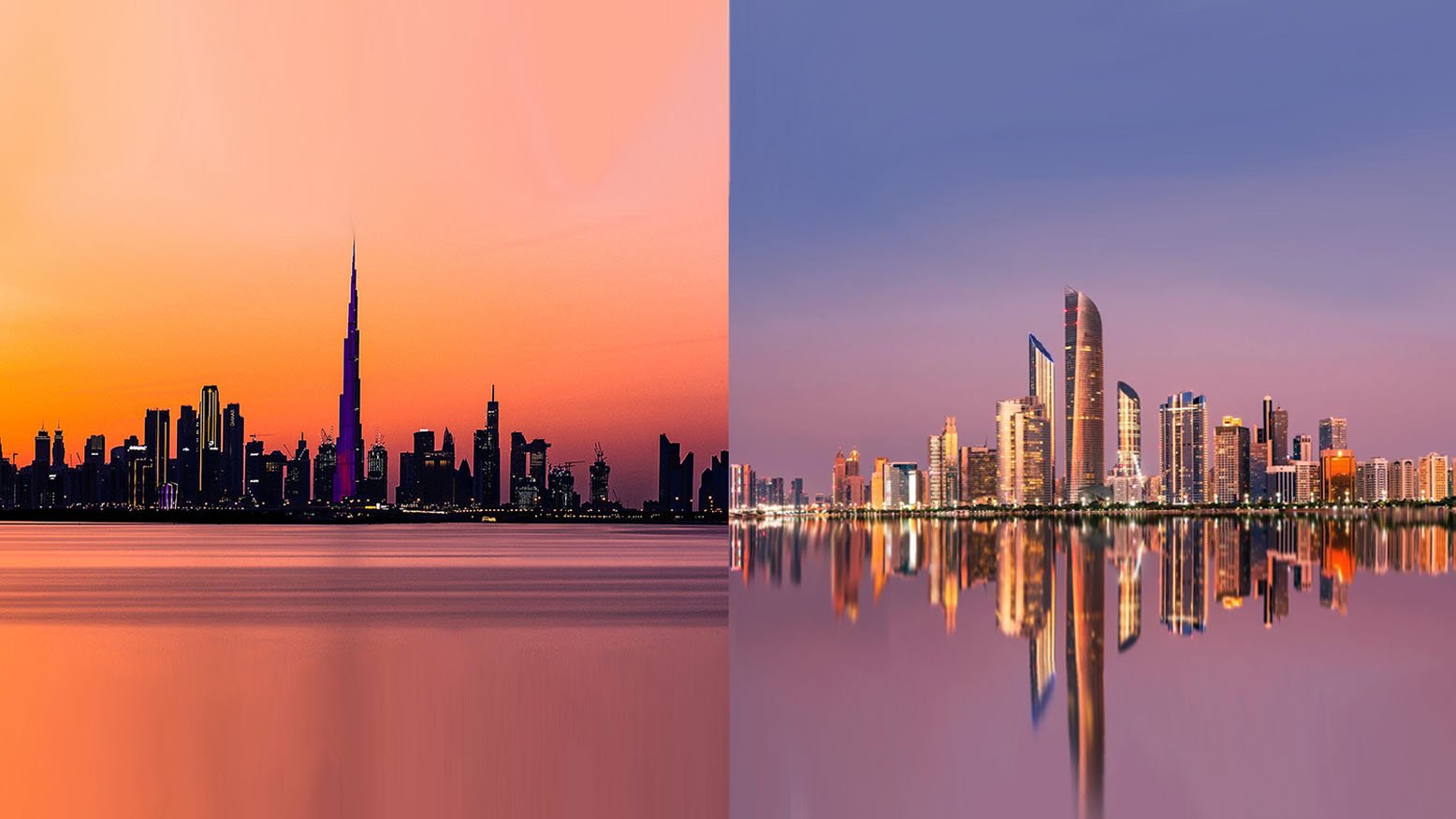
Looking ahead, the pipeline for new homes remains massive. Approximately 59,000 residential units are scheduled for delivery across Dubai and Abu Dhabi for the remainder of 2026. Furthermore, early forecasts for 2027 suggest that nearly 92,000 additional units could enter the market, though global supply chain disruptions might cause some adjustments to these delivery schedules.
“While government incentives and agile strategies are easing the pressure in the short-term, strong market fundamentals and investor confidence position the wider economy for continued stability and a firm rebound as conditions normalise. This transition phase is a period of strategic adjustment, not a structural decline.”
Ultimately, the Dubai real estate market is maturing. While the days of rapid, speculative price jumps may be cooling, the underlying demand driven by off-plan sales ensures the sector remains highly active and attractive for long-term growth.
Frequently Asked Questions
How did off-plan sales perform compared to the secondary market in early 2026?
Off-plan property sales increased by 9.5 percent during the first quarter of 2026, while the secondary market experienced an 8.2 percent decline in sales.
Are property prices in Dubai still increasing?
Yes, property prices are still rising, but the annual growth rate has slowed down to a more sustainable 8 to 12 percent, indicating a healthy market correction.
How many new residential units are expected to be built soon?
Around 59,000 new residential units are expected to be delivered across Dubai and Abu Dhabi during the rest of 2026, with an estimated 92,000 more units projected for 2027.