Dubai Home Sales Surge Past Dh139 Billion in Q1 2026 While Rent Growth Begins to Cool
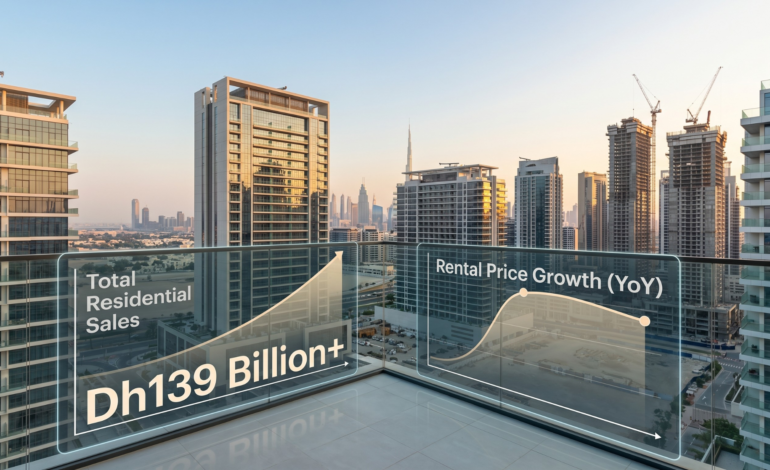

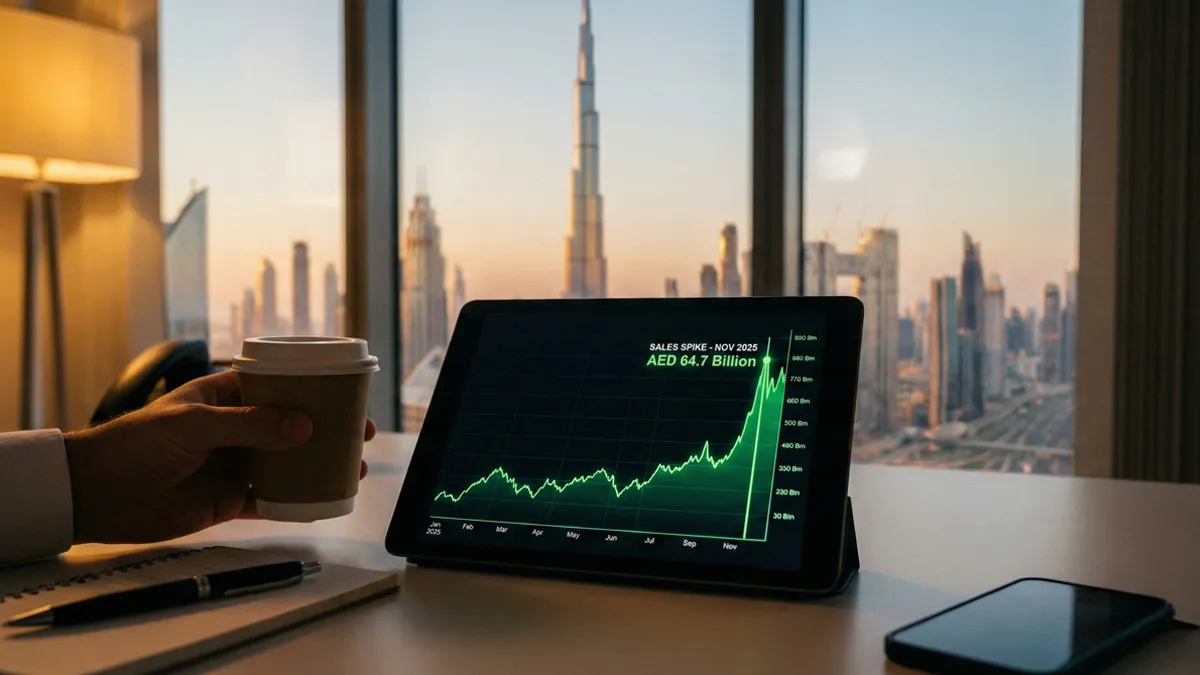
Dubai’s residential property market has recorded an exceptional start to 2026, demonstrating robust buyer confidence even as the broader market enters a more balanced phase. During the first quarter of the year, property sales soared to a massive Dh139.1 billion, driven predominantly by a powerful surge in off-plan transactions. However, for the first time in recent cycles, the aggressive upward trajectory of rental prices is showing definitive signs of cooling.
Q1 2026 Market Highlights
- Total Sales Volume: Dh139.1 billion across 44,200 residential transactions (a 21.5% YoY value increase).
- Off-Plan Dominance: Off-plan sales accounted for 73% of all market transactions, totaling Dh105.5 billion.
- Property Types: Flats/apartments made up over 80% of total transactions, reflecting strong end-user and investor demand.
- Rental Yields: Apartment yields averaged a highly lucrative 7.2%, outperforming many global urban hubs.
The Unstoppable Rise of Off-Plan Investments
The data clearly illustrates that buyers are continuously committing larger sums to Dubai’s future skyline. More than 32,300 off-plan units were sold between January and March, representing a near 35% increase compared to the same period in 2025.
Developers continue to capture the absolute majority of this buyer activity. In fact, nearly 92% of off-plan purchases in the first quarter were made directly from developers. This dominance is largely fueled by highly attractive and flexible payment plans, the launch of innovative new projects, and lower entry price points found within emerging apartment-led communities. For investors, these off-plan developments offer an accessible entry into Dubai’s lucrative real estate market with the promise of strong capital appreciation upon handover.
A Shifting Landscape for Tenants: Rent Growth Slows
While sales are breaking records, the rental market is experiencing a shift in power. Average residential prices reached Dh1,683 per square foot, marking a 9.6% year-on-year increase. However, this represents the slowest annual price growth witnessed in three years, signaling an easing in price momentum after an aggressive multi-year run.
On the rental front, rates rose by 10.2% year-on-year, but this is officially the slowest pace of annual rental growth recorded since 2022. What is driving this moderation? Supply.
Developers delivered an impressive 12,900 residential units in the first quarter—the highest quarterly delivery total in three years and 23% above the previous year’s figures. This sudden influx of available housing has provided tenants with significantly more choices and, crucially, stronger negotiating power against landlords.
“The influx of new residential supply has triggered the beginning of a more balanced phase in the real estate cycle. While property values remain resilient, tenants are finally seeing a reprieve from aggressively escalating rental costs.”
Where Investors Are Earning the Most
For those prioritizing Return on Investment (ROI), Dubai continues to deliver world-class yields. Despite the cooling rental growth, apartment rental yields averaged a highly competitive 7.2% across the emirate.
- Top Apartment Yields: Strategic investors found the highest returns in areas like International City Phase 2, International City Phase 1, and Downtown Jebel Ali, where high occupancy rates drive consistent income.
- Villa and Townhouse Yields: The broader villa and townhouse segment averaged a solid 5% yield, led primarily by luxury and family-oriented communities such as Al Barari, Dubai Industrial City, and DAMAC Hills 2.
A Maturing Market
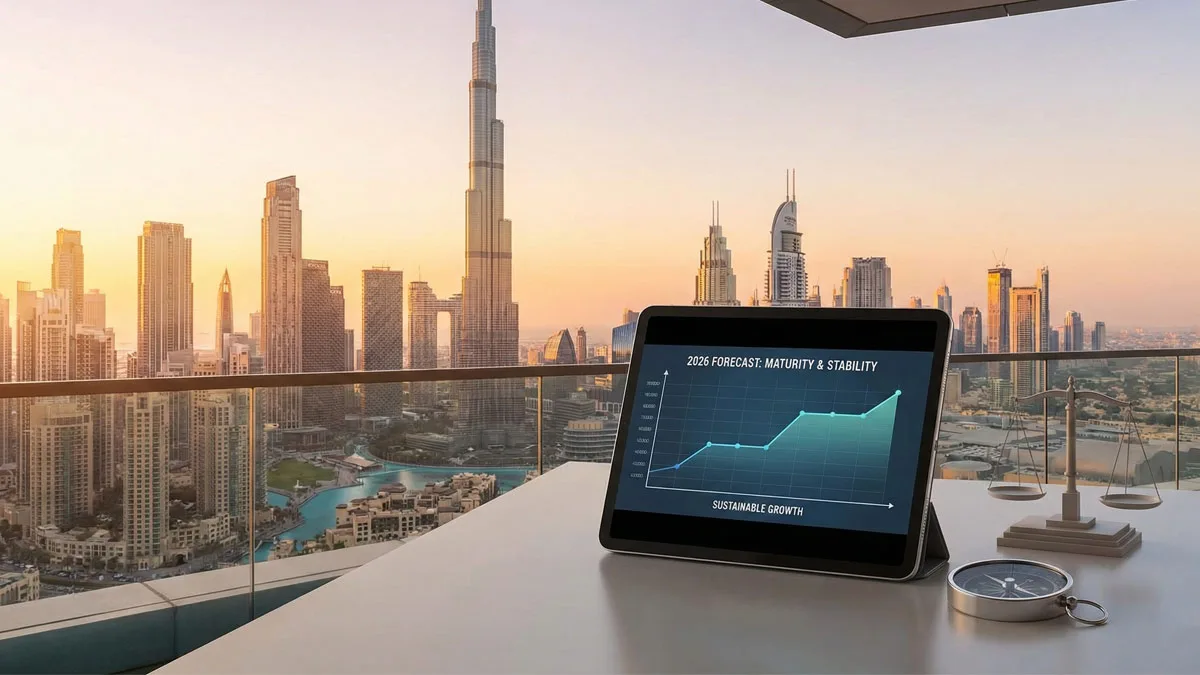
Dubai’s real estate market in 2026 is evolving from a period of hyper-growth into a phase of mature, sustainable expansion. The luxury segment remains highly active, recording Dh38.4 billion in sales across just 840 high-ticket transactions. However, the moderation in rent increases and a slower rate of new project launches suggest that developers are strategically managing the supply pipeline to protect long-term market stability.
For investors, the data highlights a clear strategy: off-plan properties continue to offer the best entry points and capital growth potential, while targeting specific, high-yield apartment districts is the optimal play for immediate, passive rental income.